1
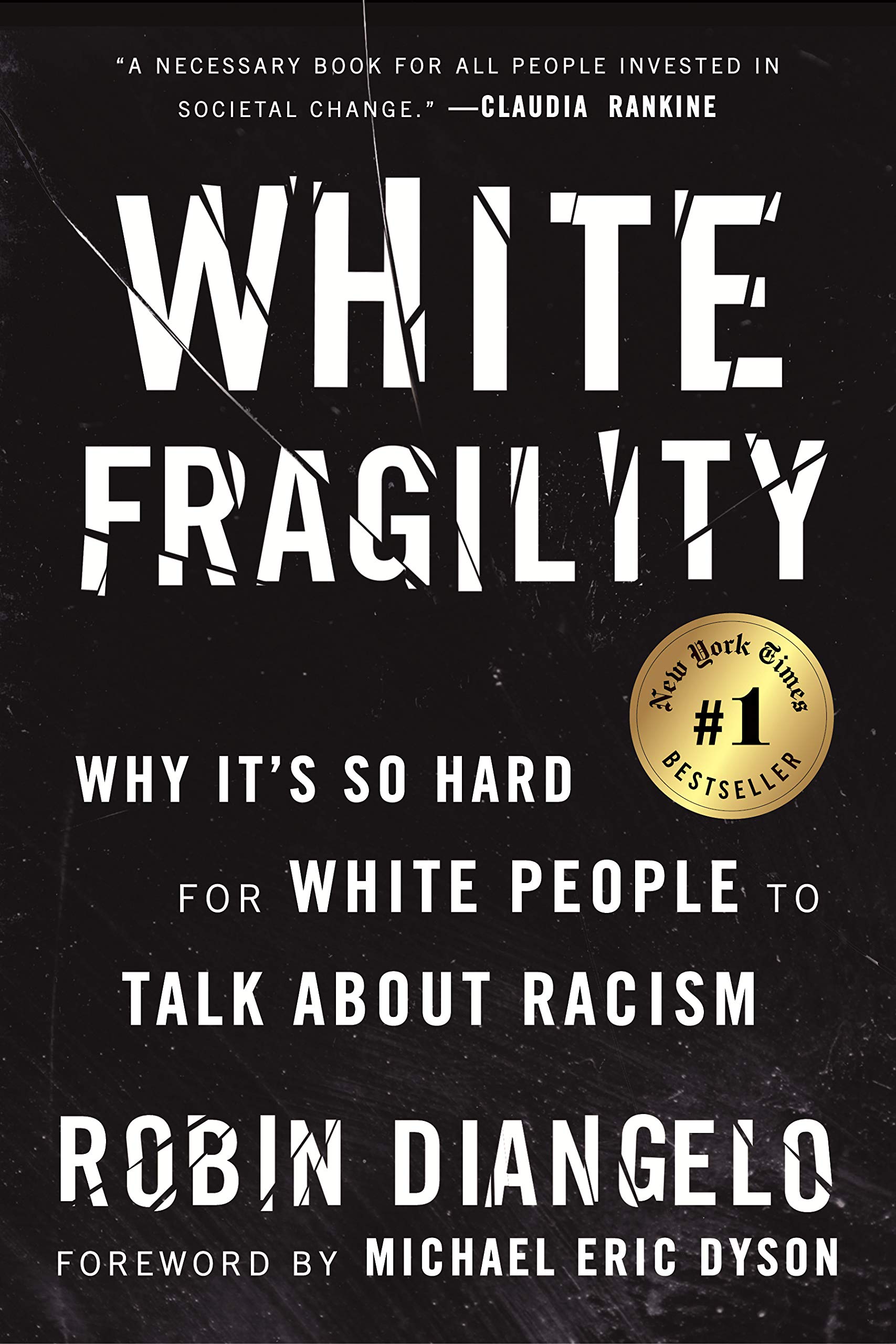
White Fragility
Humanity & Culture
By Robin J. DiAngelo
Summary
"White Fragility" by Robin J. DiAngelo is a groundbreaking book that addresses a crucial topic in modern society: the way white people respond to discussions about race. DiAngelo, a well - known anti - racism educator, introduces the term "white fragility" to describe the discomfort and defensiveness that many white individuals experience when faced with information about racial inequality.
The book starts by explaining the historical and social context that has led to the development of white fragility. DiAngelo uses personal anecdotes, case studies, and academic research to illustrate how white fragility manifests in various situations, from casual conversations to more formal settings. She explores the different forms of white fragility, such as anger, argumentation, and withdrawal.
Moreover, DiAngelo offers practical strategies for both white people and people of color. For white readers, she provides guidance on how to recognize and overcome their own white fragility, while for non - white readers, she offers insights into understanding the behavior of white individuals. By doing so, the book aims to promote more open, honest, and productive dialogues about race, which are essential for achieving racial justice.
In a world where racial tensions are still prevalent, "White Fragility" serves as an important resource for anyone who wants to engage in meaningful discussions about race and work towards a more inclusive society.
About the Author
Robin J. DiAngelo is a well - known author in the field of race and social justice. Her writing in "White Fragility" is incisive, presenting complex racial issues clearly, challenging readers to reflect on white privilege.
Chapters
2
The Origins of White Fragility
3
The Components of White Fragility
4
How White Fragility Manifests
5
The Impact of White Fragility on Society
6
Overcoming White Fragility
7
The Role of Education in Addressing White Fragility
8
The Importance of Allies in the Anti - Racist Movement
9
Building a More Inclusive Society
10